3D Layered Letter D Multilayered Design: A Powerful Tool for Modern Creators and Businesses
The rise of digital fabrication and precision design has revolutionized the way professionals, entrepreneurs, and creative enthusiasts bring their ideas to life. Among the most innovative tools in this evolving landscape is the 3D Layered Letter D Multilayered Design. This unique design format offers a blend of artistic expression and technical accuracy, making it an essential asset for those working with cutting machines and digital crafting platforms.
Understanding 3D Layered Letter D Multilayered Design
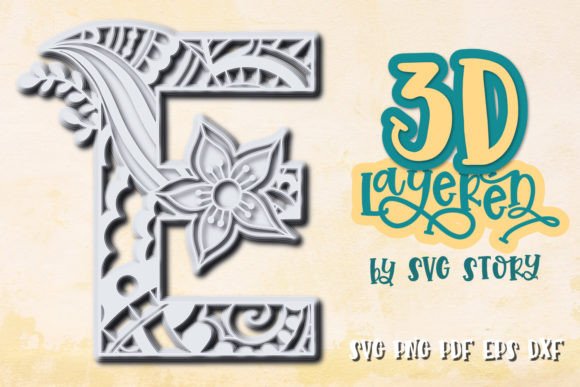
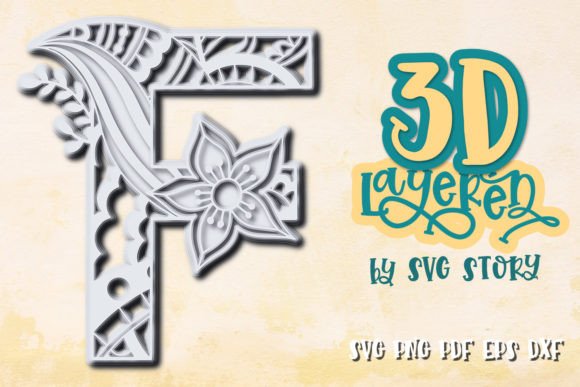
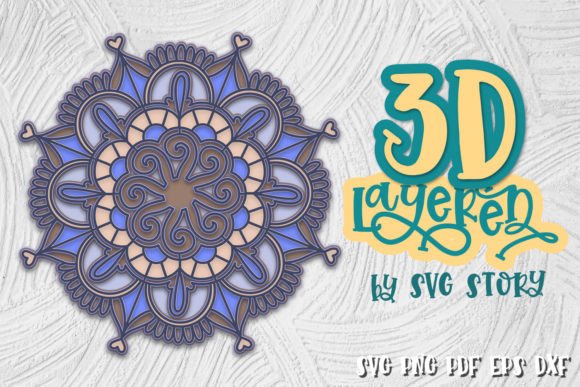
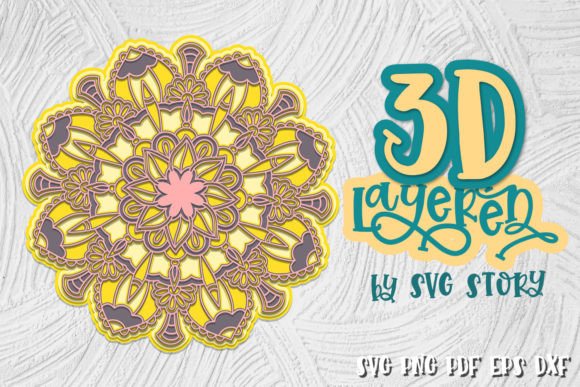
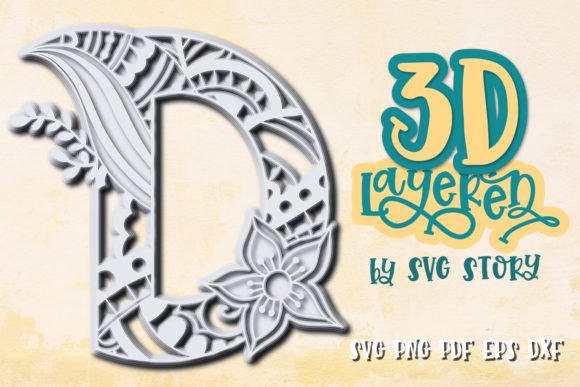
A 3D layered letter D is not just a stylized version of the letter; it's a meticulously crafted, multi-layered visual element that can be used across various media and industries. The "D" shape is deconstructed into multiple levels or layers, each contributing to the overall depth and dimensionality of the final product. These layers are often designed to stack or interlock, providing a tactile and visually striking result when applied using compatible cutting technologies.
Such designs are typically created using vector-based software and then exported into formats like SVG, EPS, DXF, and PNG. These files allow for precise scaling and cutting without loss of quality, ensuring that every layer maintains its integrity regardless of size. The multilayered approach also allows for color separation, texture variation, and even interactive elements in physical applications such as signage, branding materials, and decorative art.
Applications Across Industries
The versatility of 3D layered letter D multilayered design makes it relevant in several fields:
- Graphic Design: Designers use these layered letters to create logos, brand assets, and promotional materials that stand out due to their dimensional appeal.
- Crafting & DIY: With the popularity of home-based crafting tools like Cricut, Silhouette, and laser cutters, hobbyists can now produce professional-grade layered lettering from the comfort of their homes.
- Signage & Advertising: Businesses leverage 3D layered letters to craft eye-catching signs, store displays, and event decorations that add a premium touch to their marketing efforts.
- Interior Design: Architects and interior designers incorporate these designs into wall art, furniture accents, and custom decor to enhance spatial aesthetics with minimal effort.
- Product Packaging: In e-commerce and retail, layered lettering is used on packaging to communicate brand identity in a more engaging and memorable way.
These applications reflect a growing trend toward personalization and high-quality, scalable design solutions. As consumers seek more unique and meaningful experiences, businesses must respond with visuals that resonate emotionally and functionally.
Trends Driving Interest in 3D Layered Designs
The demand for 3D layered letter D multilayered design aligns with broader market trends in technology, creativity, and consumer expectations. Here are some key developments fueling its popularity:
- Rise of Digital Fabrication: Tools like laser cutters, vinyl cutters, and CNC machines have become more accessible and affordable. This shift enables creators to experiment with layered designs in ways previously limited to large-scale manufacturing.
- Growth of Visual Branding: Companies increasingly recognize the value of strong visual identities. A well-designed 3D letter like the D can serve as a powerful symbol of professionalism and innovation.
- Customization and Personalization: Whether it's for wedding invitations, business cards, or product labels, audiences now expect tailored content. 3D layered letters offer flexibility in customization, allowing for unique variations while maintaining structural consistency.
- Integration with Digital Workflows: Modern design workflows prioritize efficiency and compatibility. The availability of SVG, EPS, DXF, and PNG files ensures that 3D layered letter D multilayered design can be easily adapted across different platforms and devices.
Why It Matters for Today’s Creators and Marketers
For professionals and creatives, the 3D layered letter D represents more than just a design file—it's a strategic tool. Its ability to convey sophistication through layered structure appeals to both aesthetic sensibilities and functional needs. Marketers, in particular, benefit from this format because it allows them to maintain brand consistency across diverse mediums while enhancing visual impact.
Consider how a layered D could be used in a boutique’s storefront. When printed or cut in acrylic, it becomes a focal point that communicates style and attention to detail. Similarly, a startup might integrate a 3D layered D into their logo to project a modern, tech-forward image—especially if they're in the data, design, or digital sectors where the letter “D” naturally resonates.
Adapting to Changing Needs and Expectations
As workflows evolve and customer preferences shift, the relevance of 3D layered designs continues to grow. One notable change is the increasing need for cross-platform compatibility. Designers today must ensure their work functions seamlessly in print, digital, and physical formats. The multilayered nature of the D design meets this requirement by offering adaptability without compromising quality.
Moreover, the move toward sustainability and eco-friendly production methods has led to a preference for clean, reusable design files. SVGStory and similar platforms provide ready-to-use 3D layered letter D multilayered design files that reduce the time and resources needed for original creation. This supports faster prototyping and reduces waste in material testing and experimentation.
Practical Use Cases and Observations
Let’s explore a few real-world examples of how the 3D layered letter D is being utilized effectively:
- Event Branding: Event planners often use layered letters to create custom backdrops, name tags, and signage. For instance, a design studio might create a layered D backdrop for a design conference, using contrasting colors and textures to highlight the theme.
- Corporate Identity: A new tech firm may adopt a 3D layered D as part of their office branding. Placed on doors, laptops, or promotional items, it reinforces the company’s commitment to design-driven innovation.
- Gift and Merchandise Creation: Entrepreneurs in the gift industry use layered letters to craft personalized products like wooden keychains, acrylic magnets, and embroidered patches. Each layer adds depth and uniqueness, appealing to niche markets seeking bespoke items.
- Educational Materials: In classrooms and workshops focused on design thinking or digital fabrication, instructors utilize these layered letters as teaching tools. They help students grasp complex concepts like layering, perspective, and file formatting in a tangible way.
What stands out in these examples is how the design transcends traditional uses. It’s no longer just about what looks good—it's about creating something that functions well, conveys meaning, and integrates smoothly into existing systems and processes.
Connecting to Larger Technological and Creative Developments
The emergence of 3D layered letter D multilayered design is closely tied to advancements in digital design software and hardware. Vector-based formats like SVG and EPS have evolved to support more intricate layer structures, enabling designers to push boundaries without sacrificing usability. Meanwhile, improvements in cutting machine precision mean that even the smallest details in these layered designs can be accurately reproduced.
This synergy between software and hardware reflects a larger movement toward democratizing design and fabrication. No longer do you need a team of engineers or expensive equipment to create high-impact visuals. With access to pre-made files such as those offered by SVGStory, individuals and small teams can produce results that rival those of larger studios.
Additionally, the trend toward hybrid workspaces and experiential marketing has increased the need for versatile design elements. A layered D could be used as part of a pop-up exhibition booth, a branded website banner, or even a 3D-printed mascot. Its adaptability positions it at the intersection of digital and physical communication.
Getting Started with 3D Layered Letter D Files
If you're interested in exploring 3D layered letter D multilayered design, the process is straightforward. Most of these files are available in zip archives containing SVG, EPS, DXF, and PNG versions. Before purchasing, ensure your system has the necessary software installed to open and edit these files. Common programs include Adobe Illustrator, CorelDRAW, and free options like Inkscape or online editors that support SVG formats.
Once you've downloaded the files, you can import them into your preferred cutting software and adjust the layers according to your project requirements. Many files come with instructions or notes to guide users through alignment and spacing, which is especially helpful for beginners.
It’s also worth noting that many platforms, including SVGStory, offer support for additional file formats upon request. If you require a specific type of file or have questions about integration, reaching out to the provider can save time and avoid unnecessary trial-and-error.
The Future of Layered Design in a Digital World
As we look ahead, the role of layered design in digital and physical spaces will only expand. With the continued development of augmented reality (AR), virtual reality (VR), and smart materials, the potential for interactive and dynamic layered letters is immense. Imagine a layered D that changes appearance based on lighting conditions or one that serves as a touchpoint in AR environments.
Businesses and creators who stay ahead of these trends will find themselves better equipped to meet the demands of a rapidly changing market. By investing in versatile, high-quality design assets like the 3D layered letter D, they’re not just acquiring a file—they’re future-proofing their creative toolkit.
In summary, the 3D layered letter D multilayered design is more than a stylistic choice; it's a response to the evolving needs of professionals and consumers alike. Whether you're designing for a client, launching a product line, or simply experimenting with new creative possibilities, this format offers the clarity, flexibility, and impact required to succeed in today’s competitive landscape.