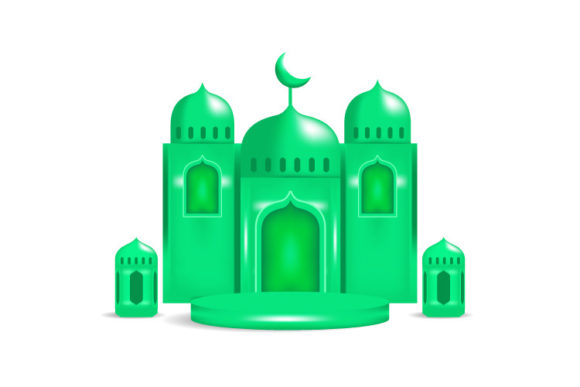
3D Render Mosque and Lantern Design for Creative Projects
Understanding 3D Render Mosque and Lantern Design
A 3D render mosque and lantern design brings the intricate beauty of Islamic architecture to life with stunning visual clarity. These designs are often used in digital art, print media, and creative projects that require a blend of tradition and modernity. The mosque, with its domes, minarets, and geometric patterns, is a symbol of elegance and spiritual significance, while the lantern adds a touch of illumination and craftsmanship.Applications Across Different Industries
These 3D render designs are incredibly versatile and can be applied in numerous ways depending on your goals and audience. Here’s how different professionals can benefit:
- Designers and Artists: Use them as inspiration or base elements for new artwork. You can extract individual components such as arches, tiles, or lanterns and integrate them into custom illustrations.
- Marketers and Entrepreneurs: Incorporate the mosque and lantern imagery into promotional materials for cultural events, travel agencies, or educational content related to history and architecture.
- Bloggers and Educators: Feature these visuals in blog posts or lesson plans about Islamic culture, geometry in design, or architectural heritage.
- Publishers and Print Creators: Utilize scalable vector formats (AI, EPS, SVG) for posters, book covers, calendars, and other printed goods where quality matters.
Creative Possibilities and Project Ideas
With a 3D render mosque and lantern design vector, the possibilities are nearly endless. Here are some unique project ideas that leverage these assets:
1. Cultural Posters and Event Invitations
Create eye-catching event invitations or posters for exhibitions, lectures, or community gatherings centered around Islamic art and architecture. Use the mosque as a central graphic with stylized lanterns as accents. The JPG and PNG formats work well for printing, while SVG and EPS allow for crisp digital displays.
2. Backgrounds for Websites and Apps
Islamic motifs make excellent backgrounds for websites, especially those focusing on spirituality, travel, or education. A subtle 3D render of a mosque or lantern can add depth and character without overwhelming the user experience. Optimize the image size using PNG for transparency or JPG for full-color richness.
3. Custom Merchandise and Decor
From mugs and T-shirts to home decor items like cushions and wall art, the mosque and lantern renderings offer timeless appeal. Their detailed textures and shapes translate beautifully onto products when printed at high resolution. SVG files are particularly useful for embroidery or laser cutting techniques.
4. Educational Materials and Presentations
Enhance slideshows or textbooks with visually rich 3D renderings. For instance, educators can use the mosque design to teach about architectural styles, while marketers might highlight the symbolism behind lanterns in Islamic culture. Vector formats ensure clarity at any scale, making them ideal for large-format presentations.
5. Branding and Logo Concepts
If your brand is inspired by Middle Eastern culture or values, consider incorporating a stylized mosque or lantern into your logo. Using AI or EPS files gives you the flexibility to adjust colors, lines, and composition to match your brand identity. This approach adds a layer of authenticity and visual storytelling to your business.
Adapting the Design for Different Goals and Audiences
Depending on your target audience and medium, you may need to adjust the style and application of the 3D render mosque and lantern design. Here are a few considerations:
- Minimalist Style: Simplify the mosque or lantern rendering to focus on clean lines and abstract shapes. This works great for logos, app icons, or modern web design.
- Ornate Detail: If your goal is to showcase traditional aesthetics, retain the intricate details. These versions are perfect for museum guides, historical documentaries, or luxury packaging.
- Color Variations: Experiment with color palettes—monochrome for a classic look, vibrant hues for festivals, or warm tones to evoke a sense of comfort and welcome.
- Layered Composition: Combine the mosque and lantern elements in layered compositions for complex layouts. This could include overlaying text, adding gradients, or integrating other symbols like calligraphy or floral patterns.
Practical Tips for Effective Use
To get the most out of your 3D render mosque and lantern design, follow these practical guidelines:
- Resolution Matters: Always use the highest resolution available for print projects. JPG and PNG files should ideally be 300 DPI for professional printing.
- Consistency is Key: When using multiple design elements from the same file set, maintain a consistent style and scale to create harmony in your final piece.
- Test on Multiple Platforms: Before finalizing a design, preview it on both screens and paper. Ensure it looks good in black-and-white if needed, and that no details are lost in compression.
- Combine with Typography: Pair the visual elements with appropriate fonts—consider using Arabic script or elegant Western typefaces that complement the design's aesthetic.
- Use Layers for Flexibility: In vector files like AI and EPS, take advantage of layers to modify parts of the design independently. This is especially helpful when customizing for specific themes or client preferences.
Example 1: Travel Poster for a Cultural Tour
A travel agency promoting an Islamic heritage tour uses a 3D rendered mosque as the focal point of their poster. They place a stylized lantern in the corner, along with a tagline like “Discover the Light of History.” The design blends warmth and sophistication, drawing viewers into the experience.
Example 2: Modern Web Banner for a Sufi Retreat
A minimalist version of the lantern is animated subtly in the banner header of a retreat center's website. The mosque is reduced to a silhouette in the background, evoking a sense of peace and timelessness. This design supports the site's message of inner reflection and spiritual journey.
Example 3: Embroidery Pattern for a Luxury Textile Line
A fashion designer creates a line of embroidered scarves using the lantern design extracted from an SVG file. The geometric precision of the 3D render ensures the pattern remains clear and repeatable, even when scaled down for delicate fabric work.
Where to Use Your Files and How to Stay Organized
The AI, EPS, SVG, PNG, and JPG files you receive open up a world of creative potential. Here’s how to manage them effectively:
- Organize by Format: Keep each file type in separate folders based on intended use—print, web, or vector editing.
- Name Files Descriptively: Instead of generic names like “design1.png,” label them clearly, e.g., “mosque_render_highres.jpg” or “lantern_vector_ai.ai.”
- Backup Original Files: Always store the original vector files before exporting to raster formats. This allows for future edits and reuses.
- Version Control: If you’re working on multiple variations of the design, keep track of iterations with dates or version numbers to avoid confusion.
Final Thoughts on Enhancing Your Creativity
Whether you're a seasoned designer or just starting out, a 3D render mosque and lantern design offers more than just visual appeal—it invites deeper exploration of culture, form, and function. By understanding the structure and meaning behind these elements, you can craft compelling projects that resonate with audiences and stand out in today’s competitive creative landscape.
So next time you’re brainstorming for a new campaign, publication, or product, remember the power of these iconic symbols. With the right tools and mindset, they can transform from static images into dynamic expressions of creativity and purpose.