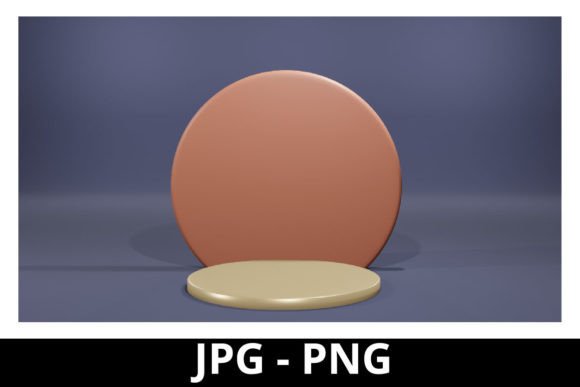
3D Rendered Podium Perfect for Design: A Versatile Tool for Visual Storytelling
In today’s fast-paced digital world, visuals speak louder than words. Whether you're a designer, marketer, educator, or entrepreneur, the ability to present your ideas clearly and attractively is essential. That's where a 3D rendered podium perfect for design comes in handy. These realistic, geometric-based 3D models are more than just decorative—they serve as functional and aesthetic tools that elevate presentations, mockups, and product showcases across various platforms.
What Is a 3D Rendered Podium?
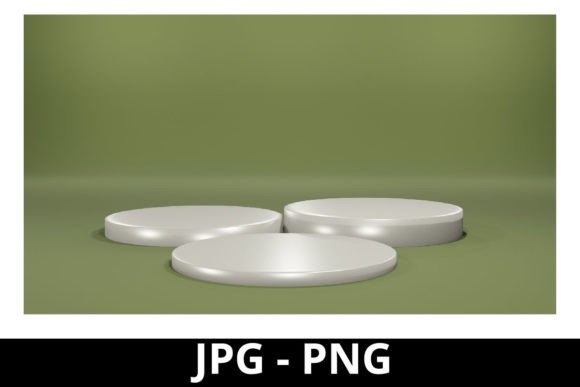
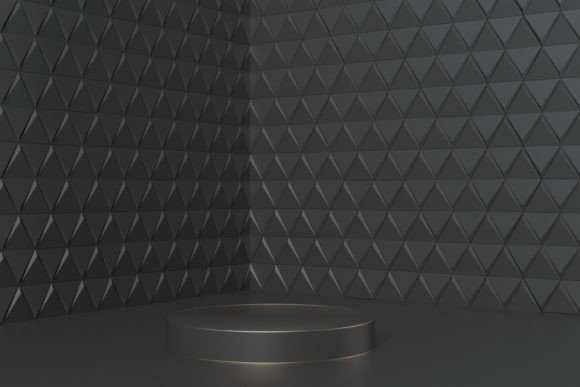
A 3D rendered podium is a digitally created model of a display stand or platform used to showcase products, objects, or designs in a visually appealing way. These podiums are typically minimalist in style, with clean lines and simple geometry such as cylinders, steps, and pedestals. They’re often part of a ZIP folder containing multiple formats like JPG and PNG, making them easy to integrate into graphic design projects, advertising campaigns, or presentation decks.
The beauty of these podiums lies in their realism. With high-quality rendering, they look just like the real thing—perfect for creating believable scenes without the need for physical setups. You can use them as backdrops, exhibition stands, or even as part of an empty stage design to highlight your main subject.
Real-World Use Cases for a 3D Rendered Podium
Let’s take a closer look at how different professionals and creators might benefit from using a 3D rendered podium in their work:
For Product Showcases and Advertising
- Product Photographers: When lighting up a studio isn’t feasible, a 3D rendered podium provides a realistic and adjustable backdrop. You can easily place your product on a pedestal and tweak the angles, lighting, and background to create a polished look.
- Marketing Teams: Use the podium in ad mockups to highlight new gadgets, fashion items, or home decor. The minimalism of the design ensures the focus stays on the product, while the realism adds a touch of professionalism.
- E-commerce Businesses: Showcase products in a modern setting by placing them on a 3D podium. This helps customers visualize the item better and builds trust through high-quality imagery.
For Design Presentations and Exhibitions
Designers often need to present their concepts in a compelling way. A 3D rendered podium acts as a visual anchor, helping to frame the design elements neatly. For example:
- Architects: Display architectural models or blueprints on a podium during client meetings. The podium gives a sense of scale and makes the presentation feel more tangible.
- Interior Designers: Use the podium in virtual room layouts to show furniture or art pieces in a staged environment. This allows clients to see how an object will fit within a space before purchasing.
- Exhibition Planners: Create digital previews of event spaces by including podiums as display stands. This helps stakeholders visualize the setup and make necessary adjustments ahead of time.
For Creative Projects and Graphic Design
If you're working on a creative project, such as a magazine layout, poster design, or social media content, a 3D rendered podium can add depth and structure to your composition. Its geometric nature complements modern and abstract styles well.
- Graphic Designers: Incorporate the podium as a base for logos, icons, or promotional materials. The minimalistic design keeps the focus on the content, enhancing readability and impact.
- Bloggers and Content Creators: Use the podium in blog headers or infographics to present key points or featured items in a visually engaging format.
- Freelancers: Build a portfolio with consistent staging by using the same podium across multiple project images. It creates a cohesive look that strengthens your brand identity.
Why Choose a 3D Rendered Podium Over Real-Life Setups?
While traditional photography has its place, there are several reasons why many users prefer working with 3D rendered podiums:
- Time and Cost Efficiency: No need to rent a studio or build a physical set. Just download the ZIP file and start editing right away.
- Flexibility: Adjust colors, lighting, angles, and backgrounds with ease. Want a white backdrop? A dark, dramatic scene? The podium adapts to your vision.
- Consistency: Maintain a uniform look across all your visual assets. This is especially important for branding, packaging, and digital campaigns.
- Quality Control: Every image looks sharp and professional, reducing the risk of poor lighting or distracting elements in your final output.
How Different Users Can Benefit
Here’s how various users can apply a 3D rendered podium to meet their unique needs:
Entrepreneurs and Small Business Owners
Imagine launching a new line of jewelry. By placing each piece on a 3D podium, you can create a series of mockups that highlight craftsmanship and detail. These images can be used on your website, social media, or print ads, ensuring your product always takes center stage.
Freelancers and Independent Creatives
As a freelancer, consistency is key. Using a 3D podium across your client presentations gives you a polished, professional edge. It also saves time—you can reuse the same podium in different scenarios, simply changing the product or background to suit the project.
Marketers and Advertisers
When designing a campaign for a tech startup, you’ll want to emphasize innovation. A modern, geometric podium fits this theme perfectly. You can render it with subtle textures or keep it completely smooth, depending on the tone you want to set. Plus, having both JPG and PNG versions means you can use it transparently over any background for maximum flexibility.
Teachers and Educators
Want to teach students about spatial design or product visualization? A 3D podium is an excellent teaching tool. You can demonstrate how objects interact with light and shadow, explore composition techniques, or even let students experiment with different geometries and arrangements.
What to Consider Before Choosing a 3D Rendered Podium
Before downloading or purchasing a 3D rendered podium, consider these factors to ensure it meets your specific needs:
- Resolution and Format: Make sure the files include high-resolution JPG and PNG options suitable for your intended use (print vs. digital).
- Scene Compatibility: Check if the podium works well with your existing 3D software or graphic design tools. Some models may require specific plugins or export settings.
- Style and Customization: Look for a podium that matches your brand’s aesthetic. Minimalist, modern, or industrial styles can all be found, but choose one that aligns with your message.
- Licensing: If you plan to use the podium commercially, verify that the license allows for commercial use. Many free models come with restrictions, so read the fine print.
Also, consider how much effort you’re willing to invest in customization. Some 3D podiums offer full control over lighting and texture, while others come pre-rendered for quick drop-in use.
Practical Examples of How to Use the Podium
Still not sure where to start? Here are some hands-on examples of how a 3D rendered podium can enhance your work:
Example 1: E-commerce Mockup
You run a boutique selling handmade candles. To promote your latest collection, you create a mockup using a 3D podium with a wooden texture. The candle sits on a cylinder-shaped base under soft ambient lighting, giving off a warm glow. You overlay this image onto a white background for your online store and onto a cityscape for Instagram posts. The versatility of the podium helps you reach different audiences with the same product.
Example 2: Brand Presentation
As a freelance designer presenting a new logo concept to a client, you place the logo on a sleek, metallic podium. The minimalist background lets the design shine, while the 3D geometry adds a modern flair. Your client appreciates the clarity and asks for variations—easier said than done with real-life setups, but a breeze in your 3D software.
Example 3: Exhibition Planning
You’re preparing a digital layout for a local art fair. By incorporating a 3D podium into the scene, you can show how sculptures or paintings will be displayed. Stakeholders can walk through the virtual exhibit and provide feedback before construction begins, saving time and resources.
Choosing the Right Podium for Your Project
With so many options available, selecting the best 3D rendered podium depends on your goals and audience. Here’s a quick guide to help you decide:
- If you're aiming for realism, go for a podium with detailed textures and accurate lighting effects.
- If you want a clean, modern look, pick a minimalist podium with smooth surfaces and neutral tones.
- For advertising purposes, consider a podium that allows for dynamic camera angles and lighting changes to match your campaign’s mood.
- If you're working in education or training, a customizable podium with step-by-step components could be ideal for demonstrating design principles.
Don’t forget to test the podium in your actual project before committing. Sometimes, a small adjustment in perspective or lighting can make a big difference in how the final image is perceived.
Final Thoughts
A 3D rendered podium perfect for design is more than just a background element—it’s a strategic asset that enhances clarity, professionalism, and creativity. Whether you're showcasing a product, building a presentation, or designing for an exhibition, the right podium can make all the difference. And with the convenience of downloadable ZIP folders, you have everything you need to bring your vision to life, no matter your skill level or industry.