3D Rendered Bell Pepper for Design
The 3D rendered bell pepper has become a staple in modern design projects, offering an incredibly realistic and versatile visual element. Whether you're working on food-related content, branding materials, educational resources, or digital art, having access to high-quality 3D models like the bell pepper can significantly elevate your work. This article explores what a 3D rendered bell pepper is, its unique features, and how it can be applied across different industries.
What Is a 3D Rendered Bell Pepper?
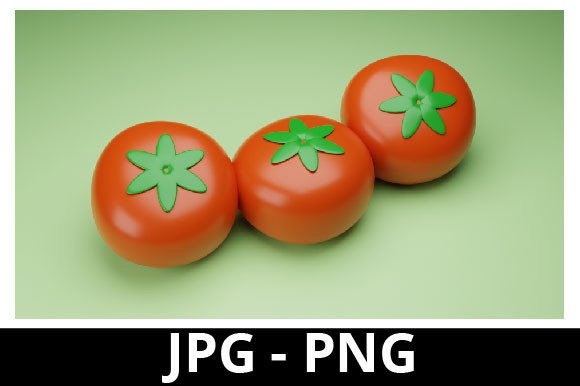
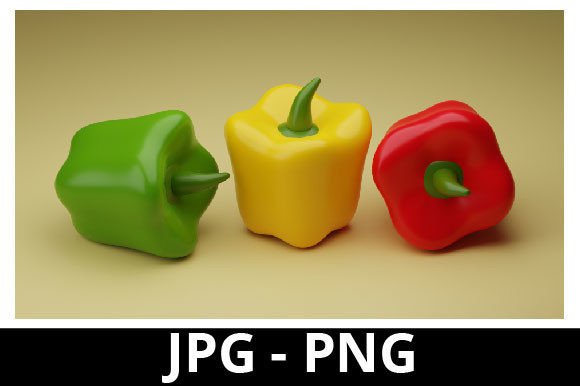
A 3D rendered bell pepper is a digital model created using advanced rendering software to simulate the appearance of a real-life bell pepper. These models are often highly detailed, capturing everything from the texture of the skin to the subtle variations in color between the green, red, and yellow varieties. When rendered into formats such as JPG or PNG, they offer crisp, clean visuals that are perfect for both print and digital use.
Such models are commonly used in product visualization, marketing, and educational settings where accuracy and aesthetics matter. They provide a natural-looking representation of one of the most colorful and nutritious vegetables available—ideal for any project focused on healthy eating, vegetarian food, or agriculture.
Key Characteristics and Strengths
- Realistic Details: High-resolution textures mimic the organic look of a fresh bell pepper, including slight imperfections that add authenticity.
- Versatile Formats: The ZIP folder typically includes multiple image types (JPG, PNG) suitable for various design needs, from web banners to print layouts.
- Isolated Background: Many 3D renderings come with transparent backgrounds, making it easy to integrate the bell pepper into different scenes or compositions.
- Color Variety: Available in red, yellow, green, and even orange, these models reflect the diverse range of bell peppers found in nature and nutrition.
- Customizable Lighting and Angles: Designers can adjust lighting and viewpoints to match the tone and style of their specific project.
Food and Beverage Marketing
In the world of food marketing, visuals play a crucial role in consumer engagement. A 3D rendered bell pepper can be used in packaging designs, recipe illustrations, and promotional materials for brands emphasizing organic, natural, or plant-based products. Its vibrant colors make it stand out, especially when promoting vegan or vegetarian options, helping to communicate freshness and health benefits at a glance.
Educational and Scientific Content
For educators and creators in the science or agriculture fields, the 3D rendered bell pepper serves as a valuable teaching tool. It can illustrate topics like plant biology, photosynthesis, or the nutritional profile of vegetables. The model’s ability to showcase accurate anatomy makes it ideal for explaining concepts related to vitamin C, fiber, or other essential nutrients found in bell peppers.
Digital Art and Creative Projects
Artists and designers love working with 3D objects because they allow for creative flexibility. The bell pepper model can be incorporated into still-life compositions, infographics, or even animations. Because of its rich hues and smooth surface, it adds a touch of colorful realism to any scene, whether it's part of a larger agricultural illustration or a standalone graphic in a design project.
Health and Wellness Branding
With the growing interest in healthy living, many wellness brands leverage high-quality visuals of nutritious foods. A 3D bell pepper can be used in blog posts, social media campaigns, or website headers to highlight the importance of freshness and health. It's particularly effective in content about balanced diets, vegetables, and colorful eating habits.
Benefits of Using 3D Rendered Bell Peppers in Design
One of the main advantages of using a 3D rendered bell pepper is the level of control it offers. Unlike photographs, which can be limited by lighting conditions or physical availability, 3D models allow you to manipulate every aspect of the object—from color saturation to shadow intensity.
Here are some key benefits:
- Consistency: You can maintain a uniform visual style across all platforms, from websites to brochures.
- Cost-Effective: Once you have the model, you can reuse it in countless ways without needing to reshoot or redraw it.
- High Quality: Renders are often scalable without loss of detail, ensuring sharp visuals at any size.
- Brand Alignment: For companies focusing on organic or plant-based values, a realistic bell pepper can reinforce brand messaging effectively.
- Time Efficiency: Speed up your workflow by using ready-made assets instead of sourcing and photographing actual produce.
Practical Use Cases
- Creating lifestyle images for a vegetable subscription box service.
- Designing infographics for a campaign promoting vitamin-rich foods.
- Producing e-learning modules on agriculture or botany.
- Developing packaging for a line of healthy snacks or vegan meals.
- Enhancing restaurant menus with visually appealing food graphics.
- Adding visual interest to a food blog or nutrition website.
How to Choose and Use the Right 3D Rendered Bell Pepper
Selecting the right 3D asset depends on your specific needs. If you're aiming for photorealism, look for models with detailed textures and accurate lighting effects. For simpler designs, a stylized version might be more appropriate. Here are some practical considerations:
- Resolution: Ensure the render meets your platform’s requirements, especially if it will be printed or viewed on large screens.
- File Format: JPG is great for quick loading in web environments, while PNG provides transparency for overlay purposes.
- Color Accuracy: Choose a bell pepper model that reflects the correct hue—especially important for educational or scientific use.
- Licensing: Confirm that the asset is royalty-free or properly licensed for commercial use to avoid legal issues later.
- Software Compatibility: Some models may require specific rendering tools; check if the package includes instructions or support files.
Implementation Tips
When incorporating a 3D rendered bell pepper into your design, consider the context. Does it need to appear isolated, or should it blend into a background? Adjust shadows, highlights, and perspective to ensure it looks natural within the composition.
Also, don’t hesitate to experiment with angles and lighting to find the most engaging view. A slightly off-center shot or soft backlit glow can enhance the sense of freshness and nature, making the bell pepper more inviting and relatable.
Why It Matters for Modern Designers
In today’s competitive design landscape, quality and originality are essential. The 3D rendered bell pepper allows professionals to present their ideas with precision and creativity. For instance, a marketer launching a new line of vegetable-based snacks could use the model to create compelling visuals that showcase variety and flavor in a single image.
Moreover, for freelancers and small business owners, using 3D assets can streamline workflows and reduce costs associated with photography sessions. With the right tools, you can generate professional-grade images that rival those taken in a studio setting.
Recommendations for Creators
If you're just starting out, invest in a few high-quality 3D vegetable models to build a versatile design toolkit. The 3D rendered bell pepper is a great choice due to its universal appeal and symbolic value in discussions about healthy eating and colorful nutrition.
Always store your assets in well-organized folders and keep backups. A ZIP file containing multiple versions of the bell pepper (like red, yellow, and green) gives you more flexibility for future projects. And remember: consistency in color and style across all visuals strengthens your brand identity and improves user experience.
Final Thoughts on 3D Rendered Bell Pepper for Design
The 3D rendered bell pepper isn't just another digital asset—it's a powerful tool that brings nature and agriculture into your creative space. From object modeling to 3D render techniques, understanding how to best utilize this resource can open up new opportunities in design and communication.
Whether you're illustrating a plant-based diet, designing a menu, or creating educational content, the 3D bell pepper can help you deliver a message that's both visually appealing and informative. Its versatility ensures it remains relevant across industries, from digital marketing to scientific publishing.
By choosing the right 3D model and applying it thoughtfully, you can enhance your design projects with the beauty and symbolism of a colorful, healthy, and natural vegetable that resonates with audiences looking for authenticity and inspiration in their everyday choices.