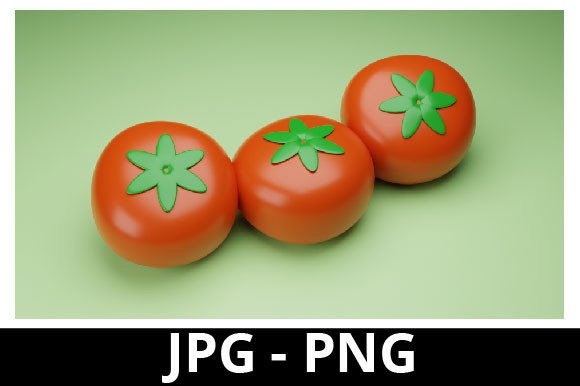
3D Rendered Tomatoes for Modern Design Projects
In today’s fast-paced design world, the right visual assets can make all the difference between a compelling composition and a forgettable one. 3D rendered tomatoes are an excellent example of how high-quality, realistic imagery can elevate your creative projects across multiple platforms. Whether you're designing for branding, packaging, or digital marketing, these assets bring a level of detail and authenticity that stock photos often can’t match.
Why Realistic 3D Tomatoes Matter in Visual Design
Tomatoes are more than just a fruit—they symbolize freshness, health, and natural vitality. In graphic design, incorporating them effectively means tapping into a rich set of associations: nutrition, agriculture, cuisine, and even sustainability. 3D rendered tomatoes perfect for design offer the flexibility to highlight these themes without the limitations of photography. They can be isolated against any background, rotated, lit from different angles, and scaled seamlessly, making them ideal for a variety of applications.
With their vibrant red hues, subtle textures, and lifelike green leaves, these tomatoes become powerful visual elements. Their presence adds realism to food-related designs while maintaining a clean aesthetic that aligns with modern design trends like minimalism and flat illustration. This versatility is especially valuable when working on projects related to organic food, vegetarian diets, or fresh produce brands.
Applications Across Creative Fields
- Branding & Logo Design: Use a stylized tomato render as part of a brand identity system—especially for businesses in the food, agriculture, or wellness sectors.
- Marketing Materials: Incorporate these visuals into brochures, flyers, or banners to emphasize product quality and natural ingredients.
- Social Media Content: Create eye-catching posts that showcase healthy meals, recipes, or farm-to-table initiatives with consistent, professional tomato graphics.
- Website & UI/UX Design: Add depth and realism to landing pages, menu sections, or lifestyle content using scalable PNG and JPG files.
- Packaging Design: Feature 3D tomatoes on labels or boxes to communicate freshness and appeal to eco-conscious consumers.
- Editorial Design: Illustrate articles about nutrition, cooking, or seasonal eating with visually engaging tomato isolates.
- Advertising Campaigns: Leverage these renders in print and digital ads to convey taste, health benefits, and culinary appeal.
- Presentations: Use them to illustrate points about diet, agriculture, or food science with a professional touch.
- Merchandise & Print Design: Apply tomato visuals to T-shirts, mugs, or posters for campaigns around wellness or plant-based living.
- Digital Products: Integrate into mobile apps, e-books, or online courses focused on cooking, gardening, or nutrition education.
Choosing and Using 3D Rendered Tomato Assets Effectively
When selecting 3D rendered tomatoes perfect for design, consider the following factors to ensure they fit your project's needs:
- Resolution and Format: High-resolution JPG and PNG files allow for crisp rendering on both digital and printed materials.
- Isolation and Background: Look for images with transparent backgrounds or easily removable ones so they blend smoothly into your layouts.
- Consistency with Branding: Ensure the color palette and style of the tomato asset align with your existing brand guidelines.
- Scalability: Choose assets that maintain clarity at various sizes, from thumbnails to billboards.
- Lighting and Composition: Pay attention to how the lighting affects the tomato’s realism and whether it complements your overall design narrative.
Once selected, integrating these assets into your workflow requires thoughtful placement. For instance, in logo design, a stylized tomato might serve as a central motif, while in editorial work, it could anchor a section about seasonal vegetables. In web design, they can guide visual hierarchy by drawing attention to key areas like call-to-action buttons or featured products.
The tomato isolate format also allows for easy manipulation within graphic design software such as Adobe Photoshop or Illustrator. You can adjust hue, saturation, or shadow intensity to better match your design's mood or message. This adaptability ensures that your creative output remains both unique and on-brand.
Moreover, using 3D rendered tomatoes supports a more sustainable approach to design. Unlike traditional photography, which may require physical setups and resources, 3D assets are ready to use immediately and can be reused across multiple projects without additional cost or effort.
Incorporating such assets doesn't mean sacrificing originality. With the right tools and techniques, designers can customize each element to reflect the specific tone and style of their project. Think about pairing the tomato visuals with complementary typography—perhaps a clean sans-serif font for a modern look or a hand-drawn script for a rustic feel. The combination of strong visual elements and thoughtful typography helps reinforce the message and improves user engagement.
As the demand for fresh, organic, and health-focused content continues to rise, having access to premium 3D assets like tomatoes becomes increasingly essential. These elements not only enhance the visual appeal of your work but also help communicate values associated with nature, nutrition, and quality.
Ultimately, the power of great design lies in its ability to connect emotionally and inform effectively. By choosing 3D rendered tomatoes that resonate with your audience and support your design goals, you’re taking a step toward crafting more impactful and memorable visual experiences.