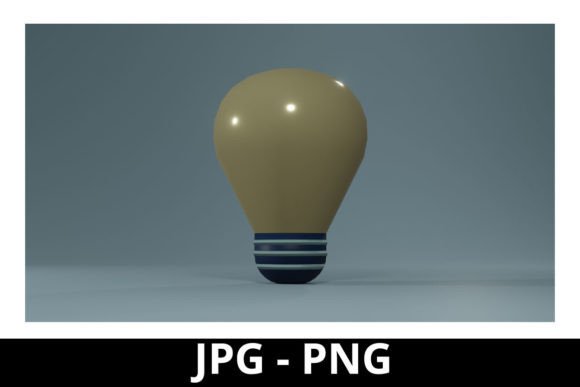
3D Rendered Bulb for Modern Design Projects
In the world of graphic design, finding the right visual elements can make all the difference between a good concept and an extraordinary one. A 3D rendered bulb is more than just an illustration—it’s a dynamic asset that brings creativity, clarity, and innovation to your work. Whether you're designing for branding, web interfaces, or editorial layouts, incorporating a 3D bulb with glowing glass and vibrant colors can elevate your project from simple to stunning.
Why 3D Rendered Bulbs Matter in Visual Design
Designers today are constantly seeking ways to add depth and realism without compromising on style or efficiency. A 3D rendered bulb perfect for design offers both—its realistic lighting effects and clean, minimal shape align perfectly with modern aesthetics. These assets are often created using advanced 3D rendering software to simulate materials like glass, metal, and light sources such as halogen, fluorescent, and LED bulbs. The result is an object that feels alive and adaptable to various creative contexts.
What makes these bulbs especially valuable is their ability to convey ideas about energy, innovation, and brightness—metaphors that resonate across industries. From tech startups promoting eco-friendly solutions to educational campaigns about electricity, a well-rendered bulb can serve as a powerful visual metaphor for illumination and progress.
Practical Applications Across Creative Fields
A 3D rendered bulb perfect for design projects finds its place in many areas:
- Branding & Logo Design: Use it as a symbol for creativity or sustainability, especially in logos for lighting brands, energy companies, or design agencies.
- Marketing Materials: Incorporate into brochures, posters, or infographics to highlight product features like efficiency or brightness.
- Social Media Graphics: Its colorful and eye-catching nature makes it ideal for Instagram posts, Facebook banners, or Twitter headers.
- Website & UI/UX Design: Add subtle glows or interactive animations to enhance user experience and guide attention to key features.
- Editorial Layouts: Serve as a visual anchor in articles about design trends, technological advancements, or sustainable living.
- Packaging Design: Use as a motif on product labels or boxes for lamps, home décor, or innovative gadgets.
- Advertising Campaigns: Showcase the power of new lighting technologies or emphasize eco-friendliness in promotional visuals.
- Presentation Slides: Help explain complex concepts related to electric systems, power consumption, or design thinking.
- Miscellaneous Merchandise: Apply to t-shirts, mugs, or stickers for a minimalist yet impactful design.
- Digital Products: Feature in app icons, website illustrations, or as part of a larger 3D scene to represent ideas or functions.
Enhancing Brand Identity with 3D Lighting Assets
When building a brand identity, consistency and symbolism are crucial. A 3D bulb can become a recurring visual element in your brand's toolkit, appearing subtly in logo variations, social media avatars, or even as a background accent in packaging. Its glow can be manipulated to match your brand’s color palette—whether it's warm and inviting or cool and futuristic. This flexibility allows it to fit seamlessly into your overall visual language while reinforcing themes of innovation and illumination.
Choosing the Right 3D Rendered Bulb for Your Project
To ensure your 3D bulb adds value rather than clutter, consider the following tips:
- Match the Style: Opt for a minimalistic 3D illustration if your design leans toward modern simplicity. For bolder looks, choose bulbs with vivid colors and strong lighting contrasts.
- Check Scalability: Make sure the ZIP folder includes high-resolution JPG and PNG files so the bulb remains sharp whether it's displayed on a billboard or a mobile screen.
- Consider Context: A glowing LED bulb might suit a tech startup, while a vintage-style filament bulb could work better for a retro-themed poster.
- Evaluate Lighting: Pay attention to how the bulb interacts with other objects in your composition—does it cast shadows? Does it shine through transparent surfaces?
The goal is to integrate the bulb naturally into your design workflow. It should feel like a native element, not a forced addition. Think about how it supports your message and enhances the visual hierarchy of your layout.
Beyond the Bulb: Designing with Purpose and Precision
While the bulb itself is impressive, its true potential is unlocked when paired with thoughtful typography, balanced color schemes, and intentional composition. For instance, placing a glowing 3D bulb beside a sans-serif headline about “innovation” can create a strong visual association. Similarly, using a soft-hued fluorescent bulb alongside a pastel color palette can evoke a sense of calm and efficiency.
Also, don’t overlook the importance of layering and depth. In web design, a floating 3D bulb can draw attention to a call-to-action button or serve as a decorative separator between content blocks. In print design, the same bulb can provide a focal point in a brochure explaining electrical systems or lighting technology.
Remember, the best design resources are those that blend form and function. A 3D rendered bulb perfect for design does more than look good—it tells a story, reinforces a message, and connects with your audience on a deeper level.
With the right creative assets at your fingertips, you’re not just designing—you’re illuminating possibilities.