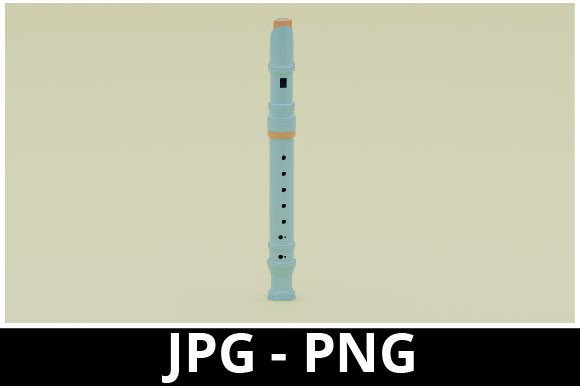
3D Rendered Flute for Music Design: Enhancing Creativity and Realism in Digital Projects
In the evolving world of music design, visual elements play a crucial role in conveying the essence of sound. Whether you're working on a symphonic composition, a concert poster, or an educational platform about musical instruments, having access to high-quality visual assets is essential. A 3D rendered flute offers an excellent solution for designers, musicians, and content creators who want to incorporate realistic flute imagery into their projects without the limitations of photography. This article explores how a 3D rendered flute can be the perfect addition to your music design toolkit.
Why Choose a 3D Rendered Flute?
A 3D rendered flute is a digital model that accurately represents the shape, texture, and lighting of a real-world flute. These models are often available in various formats like JPG and PNG, making them easy to integrate into different platforms. When you download a ZIP folder containing such a render, you gain access to multiple views, closeups, and even transparent backgrounds—ideal for layered designs or animations.
Unlike traditional photographs, 3D renders allow you to manipulate the model freely. You can change angles, lighting, materials (wooden flute, metal flute, plastic flute), and even simulate different environments. This level of customization is particularly valuable when creating visuals for music design projects, as it ensures the image aligns perfectly with your creative vision.
Applications in Modern Music Design
Here’s how a 3D rendered flute can enhance your work:
- Symphonic and Classical Compositions: Use the flute render as part of a larger orchestral illustration. It blends seamlessly with other 3D instrument models like violins, cellos, and trumpets to create dynamic and engaging scenes.
- Music Education Materials: Visual learners benefit from seeing the flute in detail. Closeup renders showing the blow hole, finger positions, and internal acoustics can help students understand how the instrument works.
- Marketing and Branding: Musicians, flutists, or instrument retailers can showcase a professional-looking flute in their promotional content. The render can be used in social media posts, website headers, or product listings to highlight the beauty and craftsmanship of the instrument.
- Animation and Video Production: The versatility of a 3D model makes it ideal for motion graphics. You can animate the flute being played, show its movement in a symphony setting, or demonstrate how different materials affect the sound.
Perfect for Isolated Backgrounds
One of the most requested features in digital assets is the ability to place objects on isolated or transparent backgrounds. A 3D rendered flute typically includes PNG files with alpha channels, allowing you to place the flute against any background. This is especially useful when designing logos, app icons, or infographics related to melody, acoustics, or musical performance.
For instance, if you’re creating a presentation about the evolution of the flute, you might use a wooden flute render on one slide and a modern plastic flute on another. The isolated format ensures each element remains clean and focused without distracting surroundings.
Exploring Different Flute Models
A ZIP folder containing a 3D rendered flute for music design usually includes several variations to suit diverse needs:
- Wooden Flute: Often associated with classical and acoustic settings, this type of flute has a warm tone and natural grain visible in the render.
- Metal Flute: Known for its bright and clear sound, the metal version is popular in jazz and contemporary music. Its reflective surface adds a sleek look to your designs.
- Plastic Flute: Frequently used in schools and beginner setups, the plastic flute is durable and lightweight. Its smooth finish and affordability make it a practical choice for many users.
- Closed vs. Open Holes: Some 3D models show the flute with open holes for playing specific notes, while others display the closed state. These variations can be used to illustrate technique or demonstrate functionality.
Having these options within a single ZIP file means you don’t need to source multiple images separately. You can pick the best fit for your project quickly and efficiently.
Customization and Realism
What sets a 3D rendered flute apart is its realism. High-resolution textures, accurate lighting effects, and detailed geometry make it indistinguishable from a physical flute in many contexts. This realism is key when designing for professionals or audiences who appreciate authenticity in musical representation.
You can adjust the lighting to simulate stage performances or daylight studio sessions. You can also tweak colors to match branding guidelines or artistic themes. For example, a musician preparing for a concert might request a render with a metallic sheen under dramatic spotlights to reflect the event's atmosphere.
Practical Benefits for Designers and Musicians
Using a 3D rendered flute in your workflow offers numerous advantages:
- Time Efficiency: No need to schedule photo shoots or wait for ideal lighting conditions. The render is ready to use right out of the box.
- Cost-Effectiveness: Traditional photography and modeling can be expensive. A 3D render provides a budget-friendly alternative without sacrificing quality.
- Scalability: Whether you need a small icon or a large background graphic, the 3D model maintains clarity at any size. This is critical for responsive web design and print materials alike.
- Consistency: With multiple formats included in the ZIP file, you can maintain a consistent look across all platforms—from your website to your social media and promotional flyers.
These benefits make a 3D rendered flute ideal for both beginners and seasoned professionals in the music industry. From a simple melody illustration to a complex symphonic scene, the render adapts effortlessly to your requirements.
Creating a Flutist Character or Scene
If your project involves a flutist performing during a concert or a solo tune session, the 3D rendered flute can be paired with a virtual character or placed in a staged environment. This is especially common in video game design, VR experiences, and animated music videos where realism enhances immersion.
Imagine illustrating a scene where a flutist plays a soft, sweet flute melody in a forest setting. With the right 3D render, you can position the flute naturally in the character’s hands, add subtle shadows, and blend it into the background with minimal effort. The result is a visually compelling and musically evocative image that captures the essence of the performance.
Integration in Digital Workflows
Modern design workflows rely heavily on digital assets, and a 3D rendered flute fits seamlessly into these processes. Here’s how it integrates across different tools and industries:
- Graphic Design: Software like Adobe Photoshop and Illustrator can import the PNG and JPG versions for use in posters, album covers, and more.
- 3D Animation: Tools like Blender or Cinema 4D allow you to load the full 3D model and animate it in real-time. This is great for demonstrating how a flute is played or incorporated into an orchestra.
- Web Development: Developers can use the images directly in HTML/CSS layouts or convert the 3D model into WebGL-compatible files for interactive online content.
- Print Media: High-resolution JPG and PNG files ensure crisp, clear prints whether you're producing brochures, t-shirts, or banners for a symphony event.
The adaptability of the 3D rendered flute ensures it meets the technical demands of today’s creative software and platforms. This makes it a go-to resource for anyone looking to visualize music effectively.
Considerations Before Using a 3D Rendered Flute
While 3D renders offer immense value, there are some factors to consider before downloading and using the ZIP folder:
- Resolution and Format: Confirm the resolution and format suitability for your project. High-resolution PNGs are best for print, while optimized JPGs may suffice for web use.
- Licensing: Check the usage rights to ensure you can legally use the asset for commercial purposes if needed.
- Software Compatibility: If you plan to edit or animate the model, verify that it works well with your preferred design or animation software.
- Artistic Accuracy: Ensure the model reflects the correct style and era of flute you’re representing—whether it's a traditional wooden flute or a modern metal design.
By addressing these points upfront, you can avoid unnecessary revisions and ensure the final output meets your expectations.
Enhancing Sound Visualization
Visualizing sound is a powerful way to engage audiences, and a 3D rendered flute helps bridge the gap between auditory and visual perception. In projects involving acoustics or sound engineering, the flute render can serve as a reference point to explain how sound travels through the pipe-like structure and how blowing into the hole affects pitch and tone.
This is especially helpful when presenting to non-musicians or those unfamiliar with how wind instruments function. By using a realistic 3D model, you can demonstrate concepts like resonance, airflow, and vibration in an intuitive and appealing way.
Use in Educational and Training Content
Music educators and training programs frequently require visual aids to explain techniques. A 3D rendered flute can be used to:
- Demonstrate proper hand placement and embouchure.
- Highlight the parts of the flute involved in producing a melody.
- Simulate how different materials (wooden, metal, plastic) influence the sound quality.
- Create step-by-step tutorials for assembling or tuning a flute.
With such a versatile tool, educators can produce more engaging and informative content that supports learning outcomes and keeps students interested.
Real-Life Scenarios Where a 3D Rendered Flute Shines
To better understand the utility of a 3D rendered flute, consider these real-life scenarios:
- Concert Poster Design: A flute render can be the central focus of a poster promoting a classical music concert. Pair it with orchestral symbols and elegant fonts for a timeless look.
- App Icon for a Flute Learning Platform: A simple yet attractive flute image in a ZIP folder can be transformed into a clean, recognizable app logo.
- Background Image for a Music Studio Website: Place the flute render against a blurred background to evoke a sense of professionalism and creativity.
- Product Packaging for a Musical Instrument Store: Showcase the flute in action, with a musician holding it or blowing into it, to give customers a feel for the instrument before purchase.
Each of these examples highlights how a 3D rendered flute can elevate the visual appeal and relevance of your music design projects.
Combining with Other Instruments and Elements
Many 3D rendering packages include not just the flute, but also complementary elements such as sheet music, stands, or even entire orchestras. These additions allow you to create rich, immersive scenes that tell a complete musical story.
For example, you could build a visual layout for a symphonic piece by placing the flute next to a violin and cello render. Add lighting effects to simulate a live performance and use transparent backgrounds to overlay text or titles. The possibilities are endless when you have access to a comprehensive set of 3D musical instruments.
Final Thoughts on 3D Rendered Flute Usage
Whether you're a designer, educator, marketer, or musician, the 3D rendered flute is a versatile and valuable asset. Its realism, flexibility, and compatibility with various design tools make it a perfect fit for modern music design projects. By choosing a ZIP folder that includes JPG, PNG, and possibly even the full 3D model, you equip yourself with everything needed to bring your ideas to life.
From showcasing the sweet flute in a solo performance to explaining the mechanics of blowing into the hole, the 3D render serves as both a functional and aesthetic component. As technology continues to evolve, so too will the ways we can use these models to innovate and inspire in the realm of music and design.