3D Rendered Red Apples for Design: A Practical Guide to Choosing the Right Visual Asset
In the world of digital design, visual assets play a crucial role in conveying messages effectively. One such asset that has gained popularity is the 3D rendered red apple. These high-quality images are ideal for projects related to health, food, nutrition, and lifestyle. Whether you're working on a marketing campaign, educational material, or product packaging, 3D rendered red apples offer a versatile and realistic option. This article explores what makes these visuals stand out, when they’re most useful, and how they compare with other design elements.
What Are 3D Rendered Red Apples for Design?
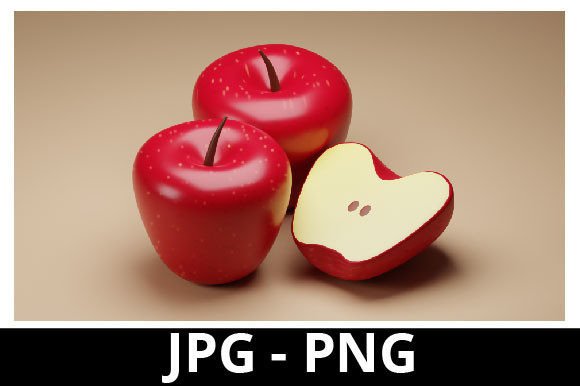
A 3D rendered red apple is a digitally created image that simulates the look and feel of a real apple using advanced rendering techniques. These images are often part of a larger set of healthy food visuals and include formats like JPG and PNG, making them easy to integrate into various design platforms. The ZIP folder typically contains multiple variations—whole apples, half slices, isolated fruits, closeups—each crafted to highlight different aspects such as juiciness, freshness, and natural appeal.
Unlike stock photos, which capture real apples under specific lighting conditions, 3D renders provide full control over color, texture, lighting, and composition. This level of customization allows designers to create images that perfectly align with their brand's aesthetic or project requirements. The result is a realistic, scalable, and royalty-free visual that can be used across print and digital media without copyright concerns.
Why Choose 3D Rendered Red Apples Over Other Options?
When designing content around themes like diet, organic food, or vegetarianism, the choice of imagery matters. Here’s how 3D rendered red apples compare with other common options:
- Stock Photos: While convenient, stock photos may lack the exact styling needed for your project. Lighting and background can also be inconsistent. In contrast, 3D rendered red apples offer uniformity and flexibility.
- Photography: Taking professional photos of apples requires time, equipment, and a controlled environment. With 3D models, you eliminate the need for physical setups and post-production editing, saving both time and resources.
- Illustrations: Hand-drawn or vector-based illustrations of apples can look stylized but might not deliver the realism required for high-end designs. 3D renders strike a balance between artistic freedom and photorealistic detail.
If you're looking for something that feels natural yet editable, 3D rendered red apples could be the best fit. They're especially beneficial for macro shots where details like skin texture, juice droplets, and crisp slices are important.
Strengths of Using 3D Rendered Red Apples
The benefits of incorporating 3D rendered red apples into your design workflow are numerous:
- Realism and Detail: High-resolution 3D renderings showcase every nuance of an apple—from its glossy surface to the subtle shadows on its curve. This realism is perfect for emphasizing freshness, health, and natural appeal.
- Customization: You can adjust colors, backgrounds, angles, and even the state of the apple (whole, sliced, juiced) to suit your design needs. This adaptability is invaluable for branding and marketing materials.
- Consistency: When working on a series of visuals, 3D models ensure all images match in style and quality, maintaining a cohesive look across your project.
- Cost-Effectiveness: Once purchased or created, 3D rendered apples can be reused in countless ways without additional costs for reshoots or reprints.
Best-Fit Use Cases for 3D Rendered Red Apples
Here are some scenarios where 3D rendered red apples shine:
- Health and Wellness Campaigns: Promoting vitamin-rich foods or healthy eating habits? A juicy, red apple is a classic symbol of health. The 3D format allows you to emphasize its nutritional value through vivid detail.
- Product Packaging: For food products like juices, snacks, or supplements, a realistic apple illustration adds a touch of authenticity while ensuring clean, modern aesthetics.
- Website Graphics and UI Elements: Need a simple, yet eye-catching fruit icon? A 3D rendered apple offers clarity and professionalism at any size.
- Educational Content: Explaining the importance of fresh, organic food in a blog or infographic? A closeup of a 3D apple can help visualize concepts like dietary fiber or antioxidant properties.
Limitations and Tradeoffs to Consider
While 3D rendered red apples have many advantages, there are situations where they may not be the optimal choice:
- Limited Emotional Context: Stock photos or live-action shots can sometimes convey more emotion or cultural context than a purely digital rendering. If your design relies heavily on storytelling or human connection, this may be a consideration.
- Learning Curve for Advanced Users: If you plan to modify the 3D models yourself, some technical knowledge may be required. However, if you're just using pre-rendered images from a ZIP file, this becomes less of an issue.
- Not Ideal for Every Style: Some design styles thrive on hand-drawn or abstract visuals. A 3D render may feel too literal or polished for certain creative approaches.
How to Evaluate Which Option Fits Your Project
To decide whether 3D rendered red apples are right for your design project, consider the following factors:
- Project Scope: Will you need multiple versions of the same apple for consistency? Can you benefit from a variety of angles and states (whole, sliced, juiced)? If yes, 3D renders are a strong contender.
- Time Constraints: Do you have limited time to source and edit images? 3D rendered apples streamline the process by providing ready-to-use, high-quality files.
- Budget Considerations: Compared to hiring a photographer or illustrator, purchasing or licensing 3D models can be more budget-friendly in the long run.
- Brand Aesthetic: Does your brand favor hyper-realistic visuals or a more minimalistic approach? Align your choice with the overall design language of your project.
For instance, a nutrition-focused blog might use a 3D apple to illustrate a post about antioxidants, while a children’s book could go with a hand-drawn version to maintain a playful tone. It’s all about matching the asset to the message and audience.
Practical Examples of Usage
Let’s look at a few real-world examples where 3D rendered red apples have been successfully implemented:
- Fitness App Interface: A designer wanted to feature a “healthy breakfast” section. They used a 3D apple slice to represent fresh, fruity ingredients alongside yogurt and nuts, enhancing the app’s visual appeal without clutter.
- Organic Juice Labeling: A startup selling cold-pressed apple juice needed a label that conveyed purity and taste. They opted for a 3D rendered apple with a juice droplet effect to communicate freshness and flavor in one image.
- Social Media Ad for a Diet Program: To highlight the simplicity of a plant-based meal plan, the ad featured a single, vibrant red apple in isolation. The 3D render allowed for a clean, minimalist layout that aligned with the program’s branding.
Alternatives to Explore
If 3D rendered red apples don’t seem like the right fit, here are some alternatives worth considering:
- Flat Vector Illustrations: Great for infographics or mobile interfaces, flat illustrations offer a modern, simplified look. They may not be as detailed, but they load faster and scale better in certain contexts.
- Watercolor or Pencil Sketches: These add a softer, more artistic tone. Perfect for educational or eco-conscious campaigns that want to avoid overly commercial visuals.
- Photographic Images: Real-life photos bring authenticity and emotional depth. They work well for storytelling or campaigns targeting local audiences where cultural relevance is key.
- AI-Generated Images: Tools like DALL·E or Midjourney can generate unique apple visuals quickly. However, quality and consistency can vary, and legal rights to the image must be verified.
Each alternative comes with its own pros and cons. The decision ultimately depends on your design goals, target audience, and the message you wish to convey.
Key Features to Look for in a Quality 3D Rendered Apple Set
When selecting a ZIP folder of 3D rendered red apples, keep an eye out for these features:
- High Resolution: Ensure the images are suitable for both web and print. At least 300 DPI is recommended for professional outputs.
- Multiple Formats: JPG and PNG are standard, but check if transparent backgrounds are included for added versatility.
- Variety of Angles and States: A comprehensive package should include whole apples, halves, slices, and possibly juice splashes or closeups.
- Isolated Backgrounds: This allows for easy integration into different layouts and ensures the apple remains the focal point.
- Realistic Textures: Look for assets that show fine details like skin imperfections, moisture, and natural shading.
These characteristics will determine how flexible and effective the images are for your specific design applications.
When to Opt for Another Approach
Although 3D rendered red apples are highly adaptable, there are cases where another visual solution might be better:
- Emotional Storytelling: If your goal is to evoke a sense of nostalgia or community, a photo of someone holding a real apple might resonate more deeply.
- Complex Compositions: For scenes involving multiple interacting objects or people, traditional photography or composite images might be more efficient.
- Low-Budget Projects: Free or low-cost stock images may suffice if you don’t require the level of customization offered by 3D models.
Always evaluate your project’s needs holistically before committing to one type of visual asset over another.
Final Thoughts on Choosing the Right Visual Tool
3D rendered red apples are a powerful tool for designers who need a combination of realism, scalability, and ease of use. They fit seamlessly into themes like health, organic food, and nutrition, offering a fresh and tasty visual metaphor. However, no single asset is universally superior. By understanding the strengths and limitations of 3D renders—and how they stack up against alternatives—you can make a more informed decision tailored to your specific needs.
Whether you're crafting content for a vegan cookbook, a fitness website, or a wellness campaign, the right apple image can enhance your message. Just remember to choose based on the purpose, audience, and style of your project rather than convenience alone.